
Limited-time offers have become a key ingredient in successful marketing strategies. They help inject a sense of urgency and excitement into the customer journey.
We all know internet users have very short attention spans. Interestingly, time-limited promotions are attractive marketing pieces that do very well in grabbing attention. This unique advantage can help your business boost sales and improve customer engagement.
In this article, we’ll learn the secrets to boosting sales with limited-time offers. We’ll delve into consumer psychology and effective advertising tactics. Additionally, you’ll see real-life examples of limited-time offers to inspire your marketing strategy in 2024.
Let’s dive in.
The Psychology Behind Limited-Time Offers
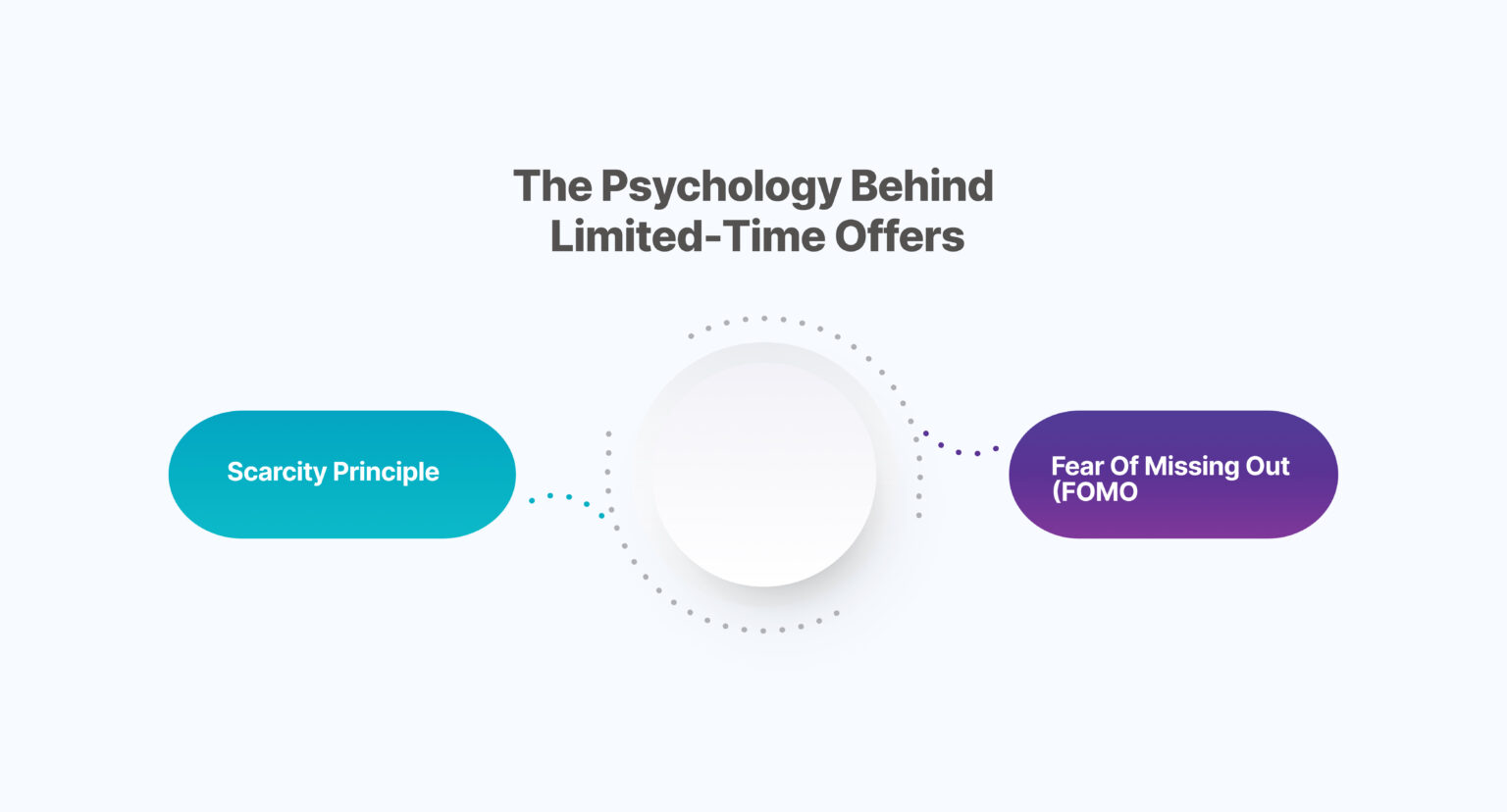
Limited-time offers have a powerful influence on consumer behaviour, capitalising on key aspects of human psychology to drive sales and engagement.
The secrets behind the effectiveness of limited-time offers are psychological drivers. These psychological drivers are scarcity and the fear of missing out (FOMO).
How do these psychological drivers work?
The Scarcity Principle: This suggests that when customers perceive an item as rare, available for a short period, or in short supply, they place a high value on it.
Limited-time offers cleverly leverage this by creating a sense of temporal scarcity. Consumers see that the opportunity is short-lived, which compels them to act fast before it runs out.
Fear of Missing Out (FOMO): The idea of missing out on a limited-time deal or limited special offer triggers a sense of urgency.
A customer would rather make that quick purchase than let an exclusive, limited-time sale slip away.
Ads and marketing emails that emphasise scarcity and evoke FOMO stir up feelings of excitement and anticipation. This makes users want to respond before it disappears.
Let’s go deeper to see how limited-time offers can transform your ads and emails into potent marketing tools.
Designing Effective Limited-Time Offer Ads
Key Components Of Successful Ads
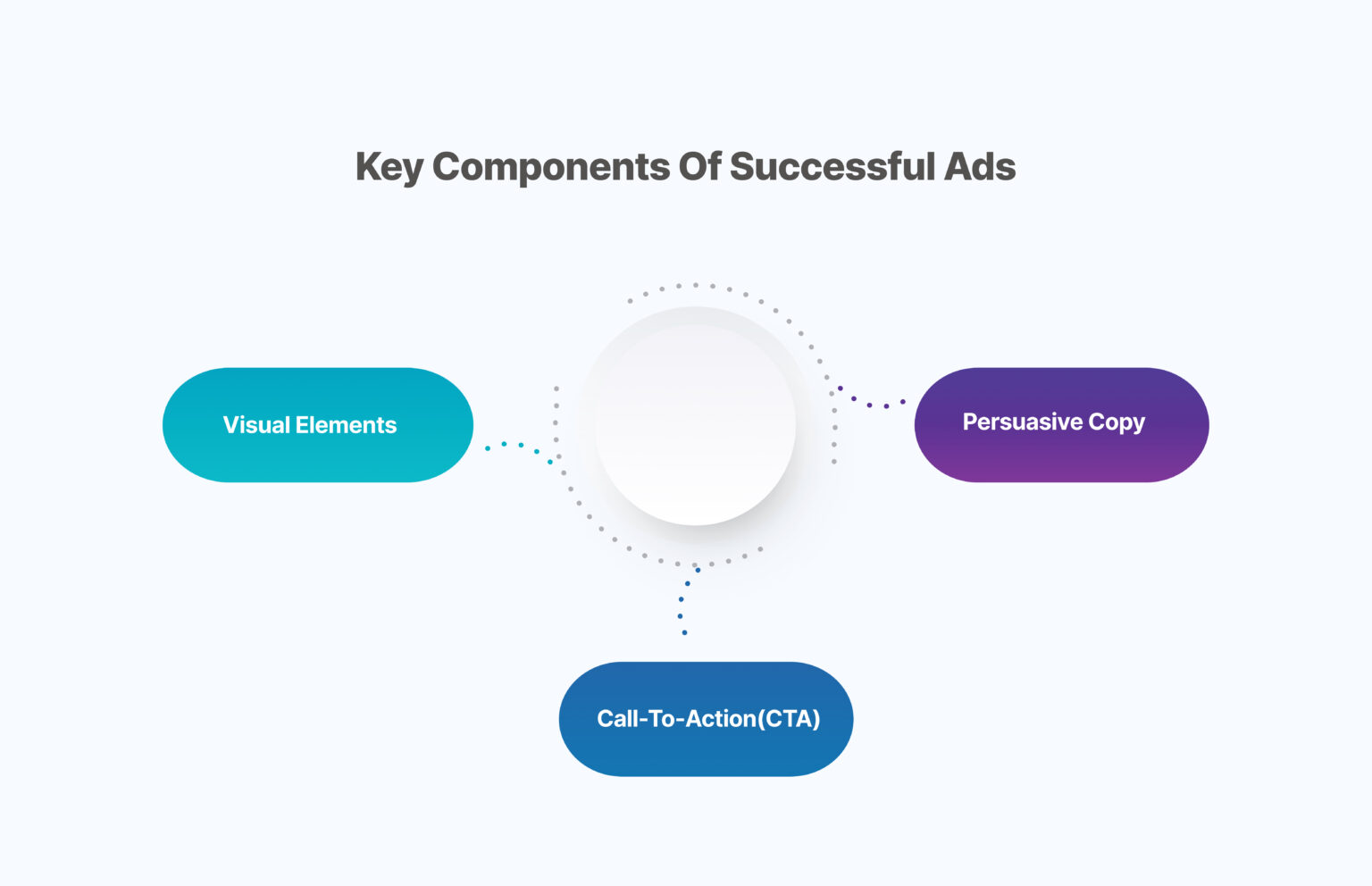
1. Visual Elements
Eye-catching visuals help your ad stand out instantly. Bright colours, quality product images, and clean designs can quickly grab attention and keep customers interested.
2. Persuasive Copy
Your ad copy should clearly communicate the value of the offer. Highlight discounts, exclusive benefits, or limited availability to create urgency and encourage immediate action.
3. Call-to-Action (CTA)
A strong CTA tells customers exactly what to do next. Phrases like “Shop Now,” “Claim Offer,” or “Act Fast” work well for limited-time promotions. Adding countdown timers or limited stock details can further increase urgency.
5 Real-World Examples Of Limited-Time Offer Ads
Now, Let’s check out how brands deliver good limited-time offer ads.
1. Apple’s iPhone 15 Product Launch
Apple creates excitement around new iPhone launches using sleek visuals, feature highlights, and limited pre-order windows. This strategy builds anticipation and encourages early purchases.
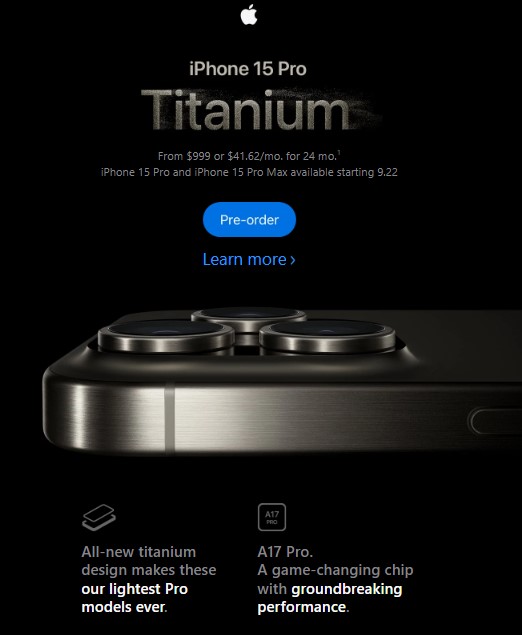
Image via Milled
2. Burger King’s Deal
Burger King uses attractive food images and bold pricing to grab attention instantly. The ad also includes an expiration date, which reinforces urgency and encourages quick purchases.
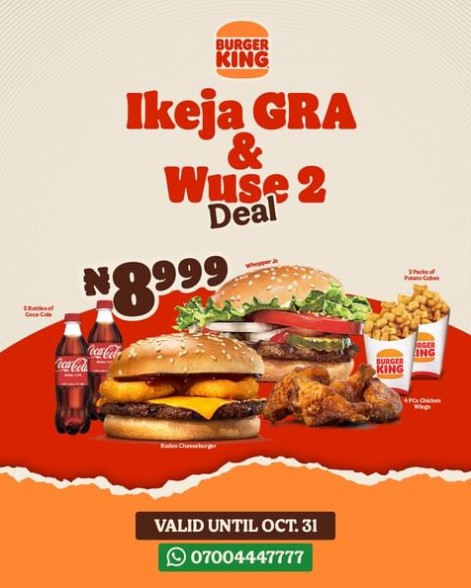
Image via Instagram
3. Nike’s Last Chance Sales
Nike uses phrases like “Last Chance” to trigger fear of missing out (FOMO). Showing old and discounted prices side by side also helps customers see the value of the offer.
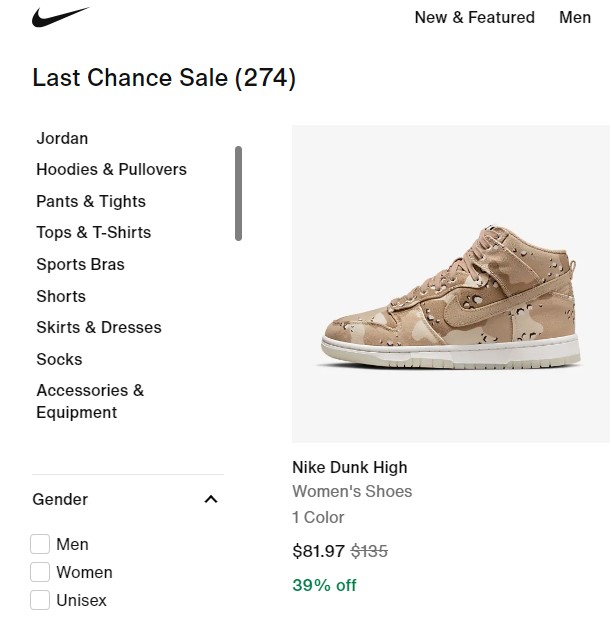
Image via Nike
4. ThermoPro’s Deals
ThermoPro combines high discount percentages with countdown timers and urgent CTAs like “Act Now.” This encourages customers to purchase before the deal expires.
Image via Milled
5. Gokada’s Deal
Gokada’s ad highlights immediate savings and limits the offer to the first 500 users. This creates urgency and motivates customers to act quickly before the promotion ends.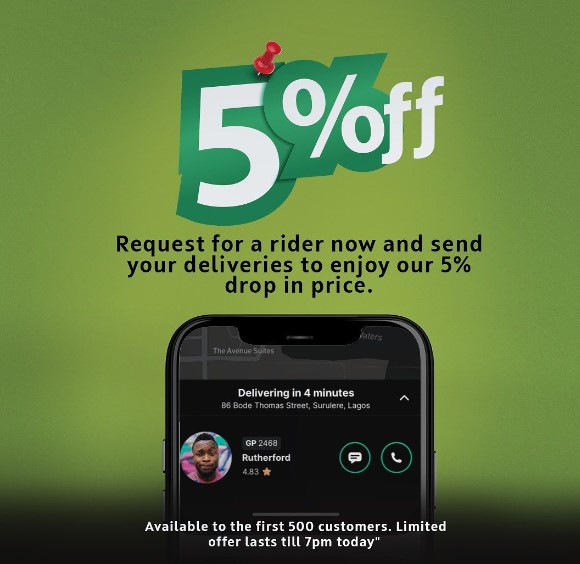
Image via Instagram
The Art of Crafting Limited-Time Offer Emails
Crafting compelling limited-time offer emails requires a deep understanding of email marketing strategies.
You can create excellent email campaigns by implementing effective tactics. And by drawing inspiration from engaging examples.
Let’s explore some email marketing strategies and examples.
Email marketing strategies for limited-time offers
Here are three strategies to use when writing limited-time offer emails:
Use A Compelling Subject Line

The success of your limited-time offer email starts with a compelling subject line that communicates urgency and value.
Phrases like “Last Chance”, “Exclusive Offer Inside” or “limited-time Savings” grab attention instantly.
A good subject line is the secret to high open rates and engagement.
Use A Visually Appealing Layout

A visually appealing layout, accompanied by high-quality images and clear, concise copy, reinforces the offer’s value.
Additionally, including a prominent and clickable call-to-action (CTA) guides recipients towards the desired action.
Segment Your Audience For Personalisation

Audience segmentation is the foundation of successful email marketing. Divide your audience into groups based on specific characteristics. This makes delivering personalised emails easier.
5 Examples Of Engaging Limited-Time Offer Emails
Let’s now see five interesting examples of limited-time offer emails.
1. Sephora’s Limited-Time Discounts
Sephora used the subject line “Something GREAT in this email” to spark curiosity and increase email opens.
The email features bold visuals, clear discount offers, and a visible CTA. The expiration date is placed close to the CTA to remind customers the offer is only available for a short time.
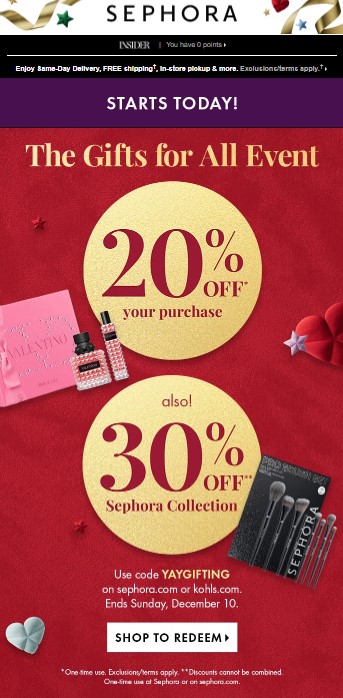
Image via Milled
2. ClassPass’ 1-Month Free Offer
ClassPass combines energetic visuals with a strong value proposition: “1-month free.”
The CTA “Claim your free offer” encourages immediate action, while the “3 days left” message reinforces urgency and pushes readers to respond quickly.
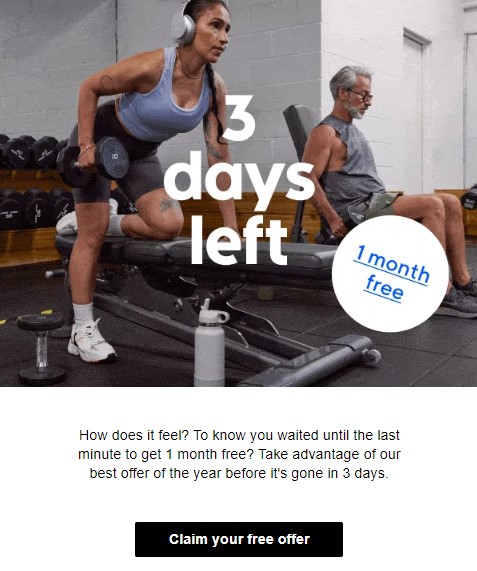
Image via Milled
3. Casper’s 4th of July Sale
Casper highlights exclusivity by using “Subscriber Exclusive” in the email.
The campaign offers a 25% discount for a limited period and encourages subscribers to use a promo code before the sale ends.
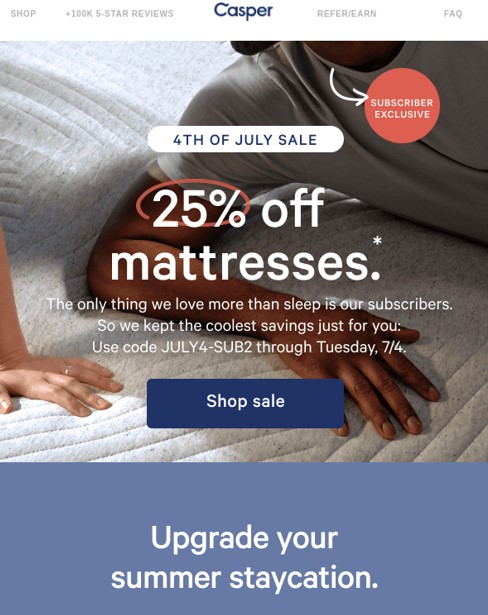
Image via Really Good Emails
4. Amazon Prime Day Deal
Amazon keeps its Prime Day email simple and visually appealing.
The subject line “30% off for Amazon Prime Day” combines savings with urgency. Clear product images, short copy, and a bold CTA help drive quick purchasing decisions.
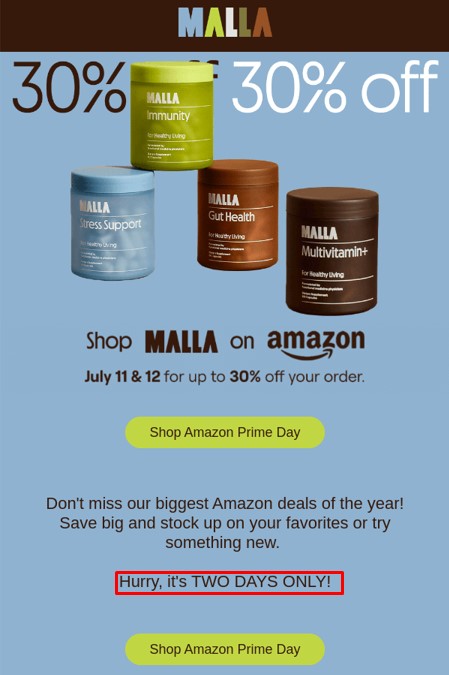
Image via Really Good Emails
5. Spotify’s Premium Offer
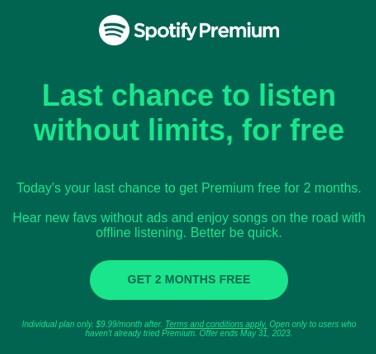
Image via Really Good Emails
The Role of Zero-Party Data in Limited-Time Offers

In today’s marketing landscape, understanding your customers is more crucial than ever. While traditional data collection methods can be valuable, they often lack the depth and transparency that come from customers directly sharing their preferences. This is where zero-party data comes in.
Zero-party data is information that individuals intentionally and proactively share with a brand. It goes beyond basic contact details and dives into valuable insights like:
Preferences: Favourite products, desired features, shopping habits.
Opinions: Feedback on experiences, brand perception, and product suggestions.
Intentions: Purchase considerations, future needs, buying triggers.
By collecting zero-party data ethically and strategically, you can:
Personalise marketing campaigns: Tailor messaging and recommendations based on individual preferences.
Improve product development: Gain insights into customer needs and desires to inform future offerings.
Enhance customer experience: Deliver personalised recommendations, address pain points, and build stronger relationships.
Here are some effective ways to collect zero-party data:
Interactive experiences: Utilise product recommendation quizzes or preference polls on your website or social media. Offer relevant suggestions or content in exchange for their input.
Signup forms: Go beyond the basic “name and email” by including optional fields for interests, preferred communication channels, or product usage.
Customer surveys: Conduct surveys via email, in-app notifications, or social media to gather feedback on specific aspects of your brand or product.
Conversational popups: Engage website visitors with brief, targeted questions about their needs or preferences, providing context and value in return for their insights.
Post-purchase interactions: After a purchase, ask for feedback on the experience or product or offer incentives for them to share their thoughts on social media.
Preference centres: Allow customers to manage their communication preferences and update their information, giving them control and transparency.
How can you leverage zero-party data to design limited-time offers?

Zero-party data holds the key to designing compelling limited-time offers that resonate with your customers. Here’s how:
Identify customer segments: Group customers based on shared preferences using zero-party data like preferred products, purchase history, and interests.
Tailor offers: Design limited-time offers that cater to each segment’s specific needs and desires. For instance, offer discounts on frequently purchased items for repeat customers, early access to new products for those interested in specific features, or free trials for customers expressing interest in a particular product category.
Personalized communication: Use zero-party data to personalise communication channels and messaging. Highlight the specific benefits of the offer that cater to each customer’s preferences, increasing relevance and engagement.
Create urgency: Leverage the offer’s time-bound nature by setting clear deadlines and communicating them effectively. This can encourage interested customers to take immediate action.
Measure success: Track the performance of your limited-time offers based on factors like conversion rates and revenue generated. Analyse which offers resonate best with specific customer segments, allowing you to refine your approach for future campaigns.
By leveraging the power of zero-party data, you can move beyond generic limited-time offers and create targeted experiences that resonate deeply with your customers, driving higher engagement and conversion rates.
Remember, building trust and offering value is the key to successful zero-party data collection. Be transparent about using the data, provide clear opt-in options, and always prioritise customer privacy.
Best Practices For Limited-Time Offers
Consider the following best practices to get the best out of your time-sensitive promotions.
Create Urgency

Creating a sense of urgency is important for driving immediate action. You employ tactics that communicate the transient nature of your offer.
Such tactics include using countdown timers and phrases like “Limited-Time-Only”, “Act Now”, “Offer Expires Soon” etc.
Additionally, you want to create FOMO. This will compel customers to make swift purchasing decisions.
Use Effective Wording

Persuasive and compelling copy must convey value and urgency. Your limited-time offers require this to be appealing.
Use language that taps into the emotions of your audience.
For example, words and phrases like “VIP Access” or “Special offers” suggest exclusivity. They make your audience feel honoured and valued.
You must tailor the wording to resonate with your target audience.
Measure Success

Evaluating the success of limited-time offer ads hinges on quantifiable metrics.
You should track your campaign’s conversion rates. Conversion rates indicate the percentage of engaged users who converted into customers.
You also want to analyse click-through rates (CTR) to gauge audience interest and responsiveness.
Additionally, scrutinise overall sales and revenue impact within the specified timeframe.
Customer feedback is crucial. Customer feedback provides qualitative insights into satisfaction and brand perception. Use social media or surveys to get feedback.
Employ analytics tools to monitor website traffic and user behaviour. It shows you the specific channels driving the most conversions.
By marrying quantitative and qualitative data, you can precisely measure the success of your limited-time offer.
Analysing The Impact of Limited-Time Offers on Sales

Understanding the impact of limited-time offers on sales is essential for refining future marketing strategies.
Careful analysis is important. Why is it important? It helps you gain insights into the effectiveness of your limited-time offers.
These points will help your analysis:
Analyse Customer Engagement Metrics:
Metrics to analyse your website traffic, open rates, click-through rates, etc.
They tell you the effectiveness of your campaigns. It shows your conversion rates and the level of interest generated among your audience.
Check The Return On Investment (ROI):
Compare the promotion costs against the generated revenue.
This analysis will give you insights into the campaign’s financial impact. You may then use the insights for future planning and budgeting.
Final Thoughts
Mastering the art of limited-time offers requires a strategic blend of certain elements, including psychology, creativity, and data-driven insights.
Creating a sense of urgency and using effective wording is also crucial. They help you craft compelling content that captivates audiences and drives sales.
Don’t forget to track and measure your performance. This will be useful for future decision-making.
To get extra help and support for your business finances, try the Mintyn Business Account today!
Please leave a comment and let us know your thoughts.